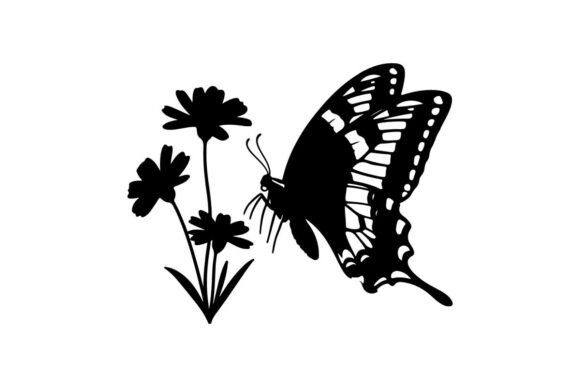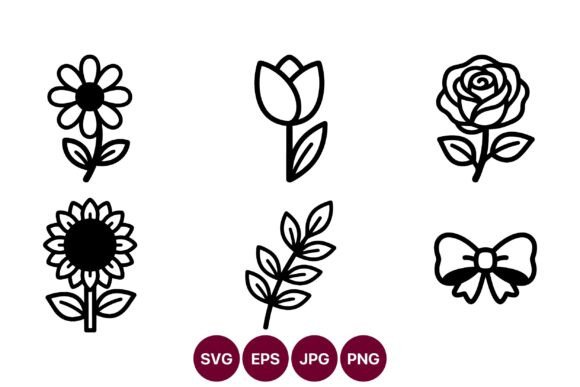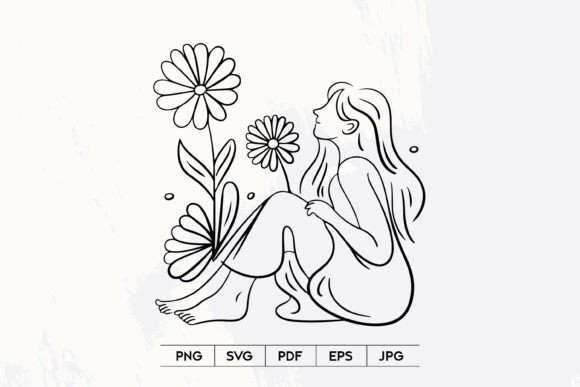
Tulip Flowers Butterfly Line Art: Graphics & Illustrations
As a digital publisher who spends countless hours curating the visual identity of multiple content sites, I approach every new graphic design asset with a critical eye. It is not enough for an image to be pretty; it must serve a functional purpose within a broader editorial strategy. When I first opened the files for Tulip Flowers Butterfly Line Art, my immediate impression was one of refined simplicity. In an era where web design often leans toward heavy photography or chaotic gradients, this collection offers a breath of fresh air. The line work is delicate yet confident, creating a mood that is simultaneously feminine, artistic, and modern.
This specific style of Illustrations naturally supports content niches focused on lifestyle, wellness, gardening, slow living, and creative entrepreneurship. For a blogger or website owner, the visual language here speaks to a reader who values clarity and elegance. It does not scream for attention; rather, it invites the user in, suggesting that the content behind the image is thoughtful and curated. This subtle psychological cue is vital for building reader trust, especially in competitive markets where first impressions determine whether a visitor stays or bounces.
Integrating Line Art into Real Publishing Workflows
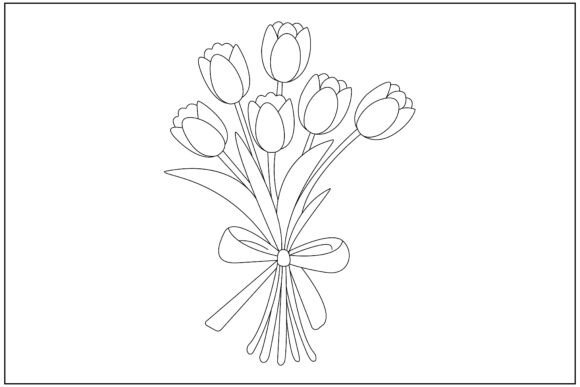
The true value of any digital download lies in its versatility across a publishing workflow. I immediately began envisioning how Tulip Flowers Butterfly Line Art could transform standard blog graphics into something more distinctive. For featured images, these designs work exceptionally well when paired with bold typography. Because the line art is typically monochromatic or uses sparse color, it provides excellent negative space for headlines, ensuring that your visual hierarchy remains intact.
Consider the lifecycle of a single blog post. You need a hero image for the website header, a vertical graphic for Pinterest, and perhaps a square variation for Instagram or Facebook. This asset pack allows you to maintain consistent brand identity across all these touchpoints without the visuals feeling repetitive. You can use the tulip motifs for spring-related content or evergreen lifestyle posts, while the butterfly elements add a touch of whimsy perfect for articles about transformation, growth, or creative processes.
Beyond standard blog posts, these Graphics are ideal for creating high-value lead magnets. Imagine a digital guide on "Starting a Garden" or a worksheet for "Creative Goal Setting." Using these line art elements as borders, dividers, or cover art elevates a simple PDF into a professional-looking product. For newsletter creators, inserting these illustrations as headers or footers can break up text-heavy emails, improving readability and engagement. They act as visual anchors that guide the subscriber's eye through your content marketing messages.
Enhancing Click-Through Potential and Brand Recognition
In the world of affiliate marketing and content creation, click-through rates are the currency of success. A generic stock photo often fails to stop the scroll because users have become blind to them. However, unique creative design stands out. By adopting Tulip Flowers Butterfly Line Art as a core part of your visual system, you create a recognizable signature. Over time, your audience will begin to associate this specific aesthetic with your brand voice, leading to better category recognition.
The clean lines of these illustrations support a professional look that enhances credibility. When a reader sees a polished Pinterest pin or a cohesive social media graphic, they subconsciously attribute that level of care to the information provided in the article. This is crucial for small business branding. Whether you are selling a course, promoting affiliate products, or offering coaching services, the quality of your visuals directly impacts perceived value. These assets help you achieve a high-end editorial look without the cost of custom commission work.
Strategic Placement and Usage Guidelines
While this asset is incredibly flexible, strategic placement is key to maximizing its impact. These designs shine brightest as hero images, article thumbnails, and Pinterest pins where the details of the line work can be appreciated. They also make excellent editorial accents within long-form content, serving as section breaks that keep the reader engaged. For those building a media kit or a portfolio, using these illustrations can unify disparate projects under one visual umbrella.
However, there are scenarios where caution is required. Line art can sometimes get lost if scaled down too small. On mobile devices, intricate details of the butterfly wings or tulip petals might disappear in tiny thumbnails. It is essential to test how the asset renders on different screen sizes. Additionally, avoid placing these light line drawings over busy or low-contrast backgrounds. They require clean space to breathe. If your website layout is already cluttered with sidebars, ads, and widgets, adding more decorative elements might overwhelm the user. In very serious corporate niches or highly technical fields, this playful, artistic style might feel out of place unless used sparingly as a softening element.
Practical Notes for Publishers and Designers
Before integrating Tulip Flowers Butterfly Line Art into a live production environment, I recommend a rigorous testing phase. First, preview the images inside your actual blog layout, not just in isolation. See how they interact with your specific typography. Try pairing them with serif fonts for a classic editorial feel, sans serif for a modern look, or even script fonts for a personal touch. Ensure there is sufficient contrast between the lines and the background color.
Performance is another critical factor. Although these are likely vector-based or high-resolution raster files, always check the file size. Large images can slow down page load times, which negatively affects SEO and user experience. Compress images properly for web use without sacrificing the crispness of the lines. If you are using these for a Canva template or a printable design, ensure the resolution is high enough for print standards (300 DPI) versus screen standards (72 DPI).
Finally, and most importantly, review the licensing terms. As a professional publisher, you must confirm that the commercial license covers your intended use, especially if you are incorporating these designs into products for sale, such as t-shirts, mugs, or tote bags, or using them on monetized affiliate pages. The description notes that the files come in a ZIP format, ready for various creative products. Always double-check that your usage aligns with the creator's permissions to avoid legal issues down the line.
Ultimately, Tulip Flowers Butterfly Line Art represents more than just a collection of images; it is a tool for elevating your digital presence. By thoughtfully integrating these design assets into your content strategy, you can create a more engaging, trustworthy, and visually stunning experience for your audience. Whether you are a solo blogger or managing a large content network, the right graphics can make all the difference in how your message is received.